

I’ve taught over 4,000 young people about consent - here is why the MAFS Panorama Documentary is part of a bigger problem.
In the UK, the cup of tea video is considered the gold standard. It's honestly a great starting point but it's also the bare minimum. The gaps in how we talk about rape, sexual assault, and what a real "yes" actually looks like have been exposed, painfully and publicly, by the stories coming out of MAFS this week.

Look at Your Vulva. No, Really. Look
The research on this is pretty clear: cis women who have a positive relationship with their genitals report higher self-esteem, better sexual wellbeing, and greater body image satisfaction. Women with poor vulva self-image experience more sexual distress, lower desire and arousal, and more pain during sex. How you speak about and feel about your body, even down to a specific body part, has real, measurable effects on your pleasure and your health.
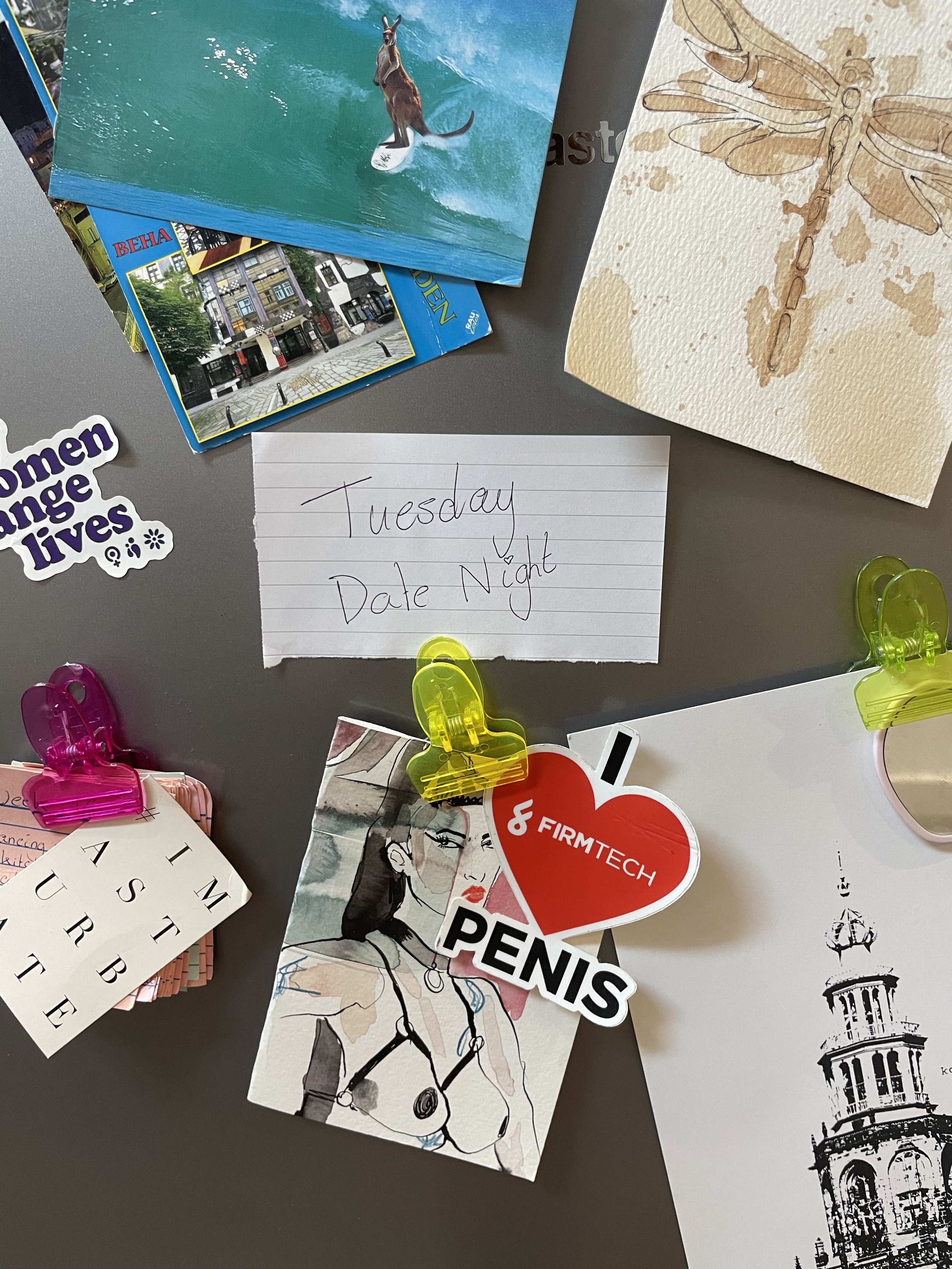
Why I Tell Couples to Stop Scheduling Sex … And What to Do Instead!
What some couples find is that they start to look forward to it. Having a date in the calendar, or on the fridge, can create a sense of anticipation not unlike the early days of dating. You begin to look forward to that dedicated time together, and that anticipation itself can spark arousal.
However, getting caught up in the pressure of the marked calendar and putting pressure on someone who is not in the mood is going to do much more harm than good…
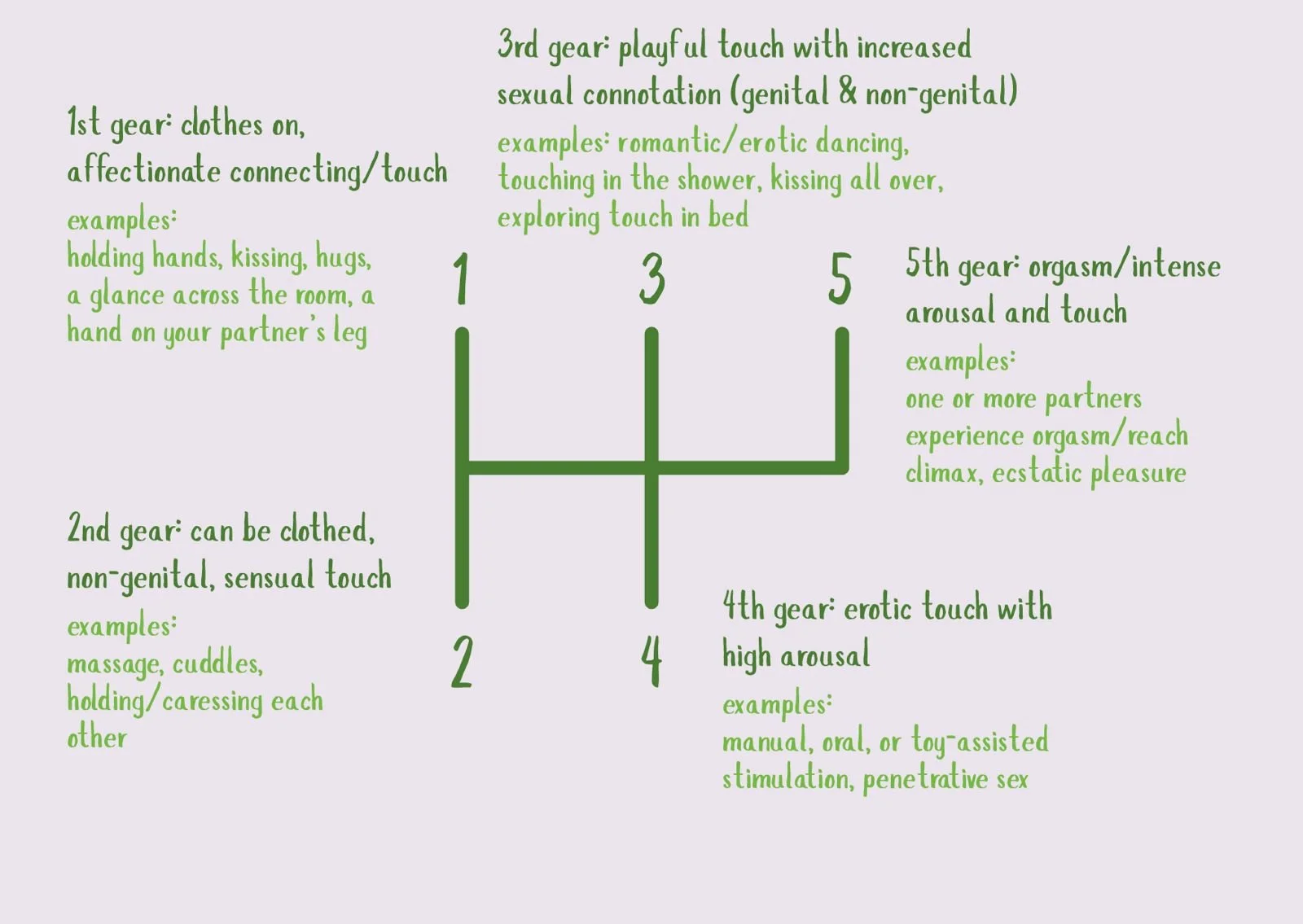
The 5 Gear Theory
The 5 Gear Theory is a model to help people understand each other’s arousal and preferences throughout sex. It was originally developed by Brian and Emily McCarthy in 2003 as a structured script to give couples a shared language of arousal and intimacy. As sexologists, we use a varied version of the metaphor to help clients understand how sex is not only affection and penetration, but a movement up and down throughout various activities and phases that all bring pleasure.
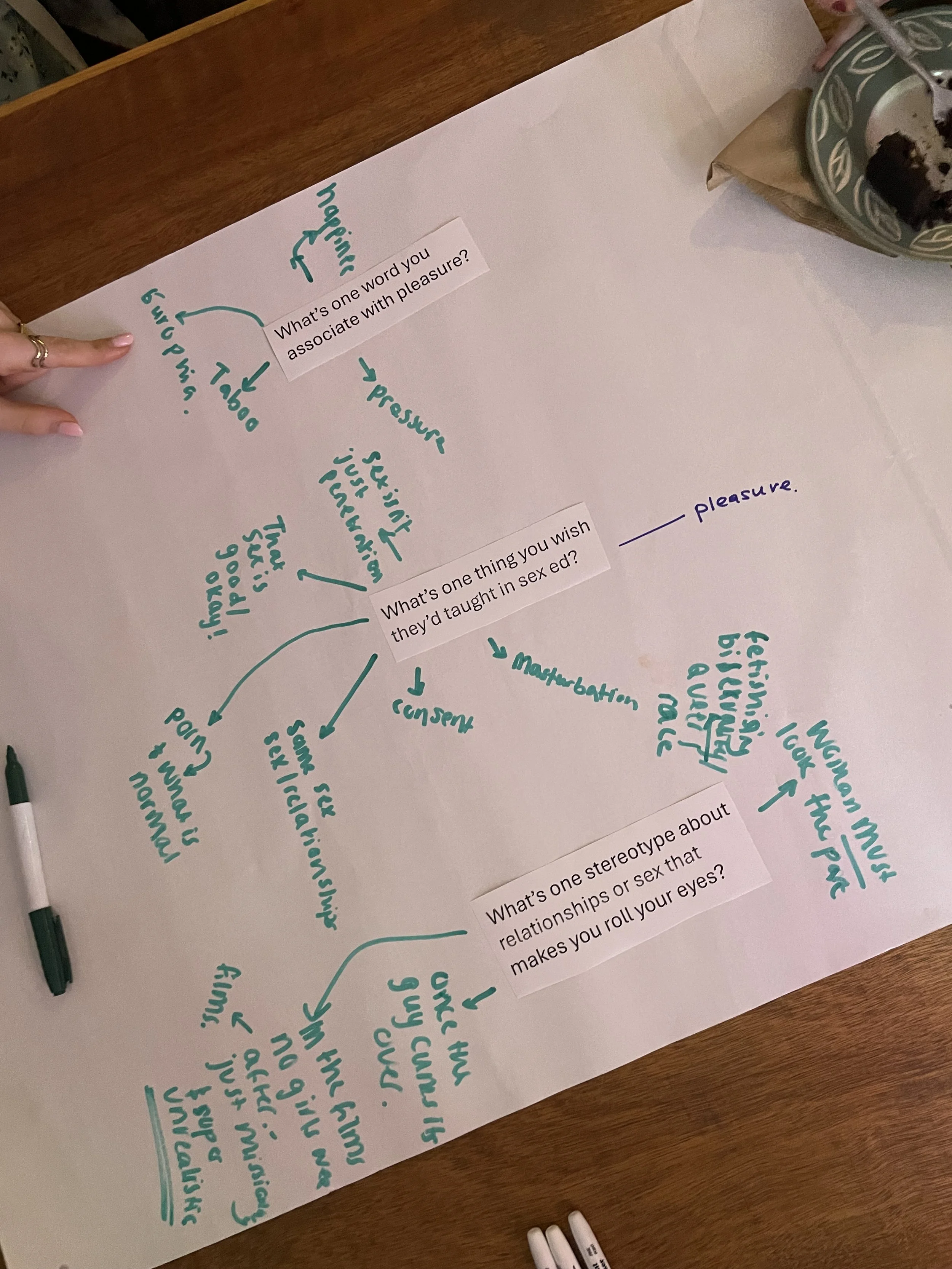
Renaming Sex: A Sex Therapist's No. 1 Tip for More Satisfying Sex
Western culture has handed us an incredibly limited script for what sex is supposed to look like. Shaped by patriarchal norms, the dominant narrative is centred on the penis. This is both socially harmful and biologically inaccurate. Research consistently shows that the majority of women who experience orgasm do so through external clitoral stimulation, not internal penetration. If we define sex as the pursuit of pleasure, then building everything around internal stimulation alone ignores what actually works for most vulva-owners.

Mutual Masturbation: A Low-Effort Way to Enjoy Sex
Sometimes the best sex is the kind that asks very little of you.
Synchronized, or Mutual masturbation, where you and a partner touch yourselves in each other's company, is an underrated activity that you can add to your sexual repertoire. It counts as sex. It builds intimacy. And it doesn't require that much from you.
But why would you do it and how can you set it up?
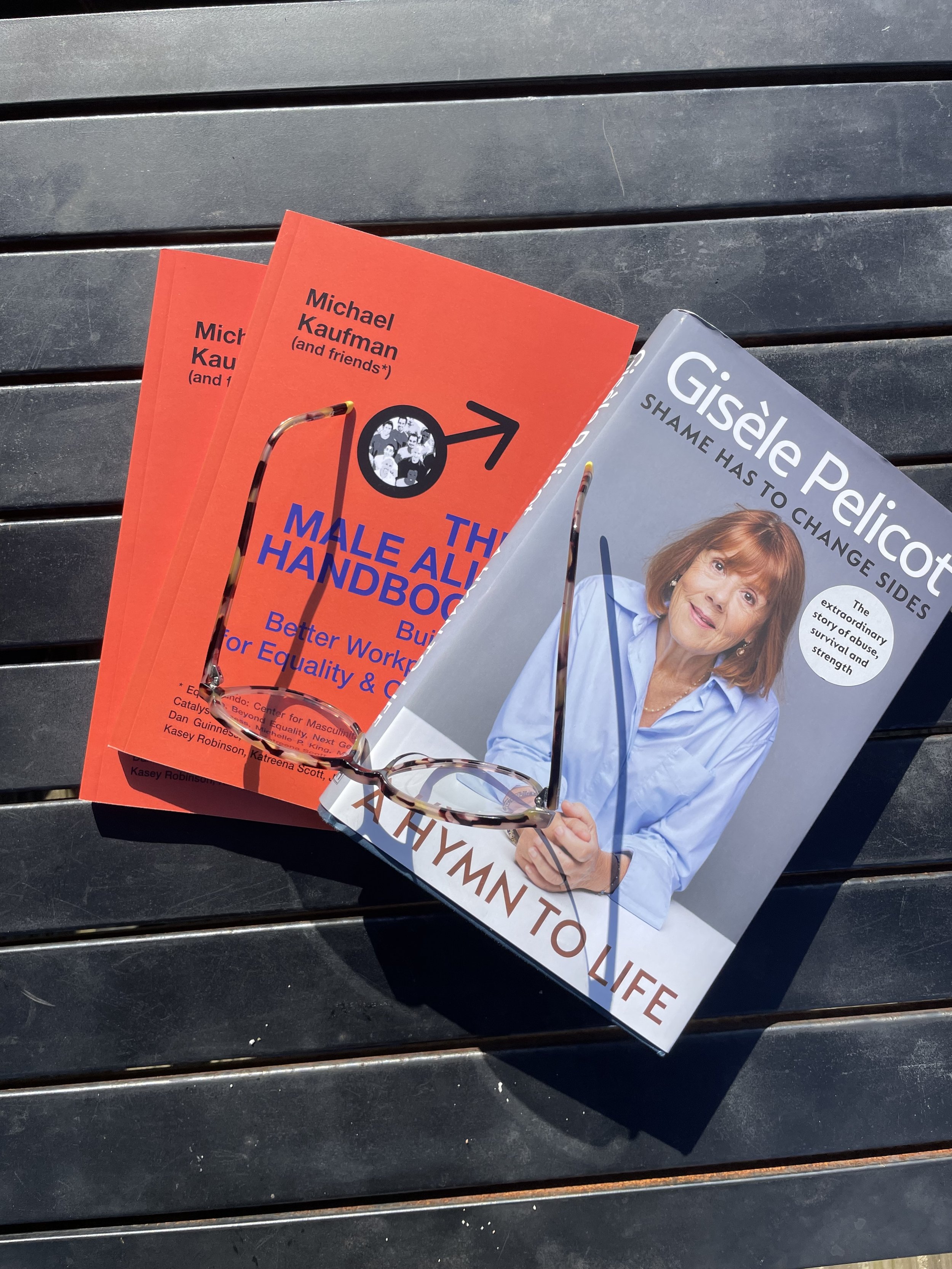
Parents and Teachers, take Gisèle Pelicot with you into Sex Education
In my work with young people, I talk constantly about healthy relationships, red flags, masculinity and misogyny, and how to keep yourself and your friends safe. Gisèle's story gave me new language for almost every conversation I have in schools.
This security guard, a man, not only reported what he saw but encouraged the three women to report it too. He understood that if they didn't all push together, nothing would change. What he could not have known, was the huge underworld he was about to unveil.
Although it was men who committed these crimes, it was also men who gave Gisèle justice. Her lawyers. The security guard. The police force who treated her with respect.
Improving our consent education, positive role models, and how to report crimes - we can prevent this from happening again.
Modernizing Sensate Focus: My Trauma-Informed Twist As An Inclusive Sex Therapist
Sensate focus: the bread and butter of sex therapy. In the 1960s, Masters and Johnson developed what became the go-to treatment for couples struggling with desire, arousal, and intimacy - and the outcomes are genuinely good. But it was built on heterosexual relationships and assumes we're all working towards the same kind of sex. As an inclusive, trauma-informed sex therapist, I use sensate focus regularly - but with my own steps, my own ground rules, and a few twists along the way. Here's my version.

Aftercare: Why a Cuddle After Sex is More Important Than You Think
Imagine this: You’ve just had sex. It was ok. Not bad, but you’ve had better. The to-do lists are starting to stream back into your head. You’re thinking about having to shower, or strip the bed, or whether this was really a good use of your time. And then your partner hops right out of bed and disappears to the bathroom. Suddenly, it’s go time. Intimacy is over and real life begins.
This does not make you want to have sex again.
Studies show that ‘average’ sex is rated as better if we spend time cuddling afterwards. Its also the moments our bodies are primed for emotional connection. But most of us are rolling over and reaching for our phones, getting in the shower, or just falling asleep. So what are we missing out on, and how do we change it?
Play and Pleasure in Psychosexual Therapy
Sex is often perceived as a high-pressure activity. Many people feel weighed down by expectations of “performing well,” which can create anxiety and even take away from intimacy. When therapy enters the picture the seriousness can intensify. With homework, readings, and weekly check-ins, sex may begin to feel more like schoolwork than a source of connection and joy.
This is where Play comes in…

Pleasure After Parenthood: Reclaiming Intimacy in a Changing Body and Life
Becoming a parent can profoundly change the way we experience our bodies, our relationships, and our sense of pleasure. Maybe sex has started to feel different (or disappeared entirely), maybe you feel touched out, or maybe you miss feeling connected in the way you used to.
If that sounds familiar, you're not alone. And more importantly: you're not broken.
Think of this as a gentle guide back to your pleasure, on your terms.
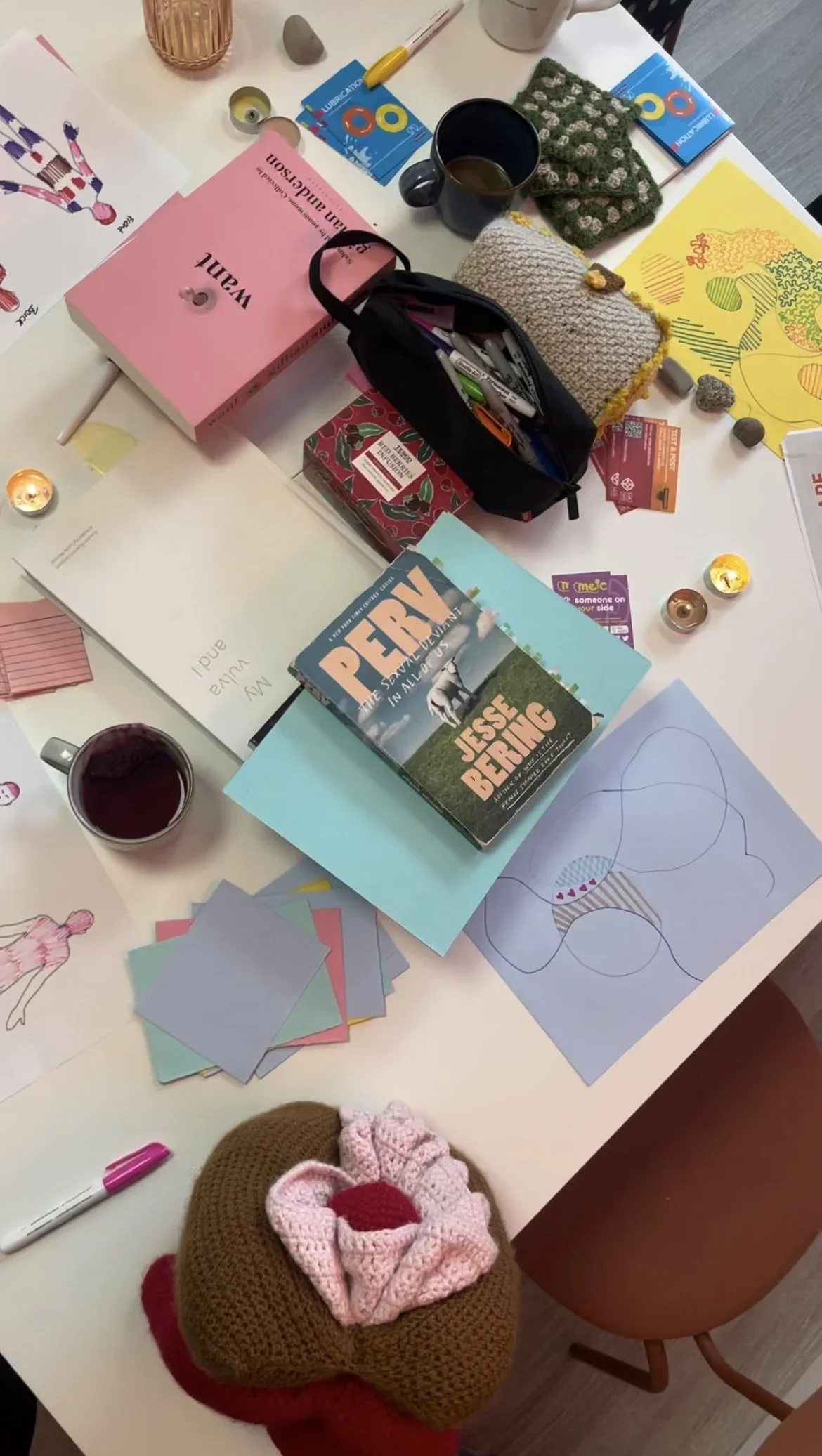
A Common Tale: Understanding Responsive Desire
Have you ever found yourself thinking, “Wow, that was great—why don’t I do that more often?” after sex… only to roll your eyes at the idea the next time it crosses your mind?
If so, you’re not alone.
In this blog post, I explore what is meant by the term ‘responsive desire’ and how we can use this to improve our sexual wellbeing.
Adolescence: How the Manosphere is Warping the Sex Lives of a Generation
The new Netflix series Adolescence is just a drop in the ocean compared to the deep and growing influence of the manosphere on young people’s lives. While the show has sparked conversation around sexism in schools, knife crime, and parental responsibility, as a sexologist and sex educator, I want to focus on how this online world, now more exposed than ever, is shaping a generation’s understanding of sex, relationships, and consent.
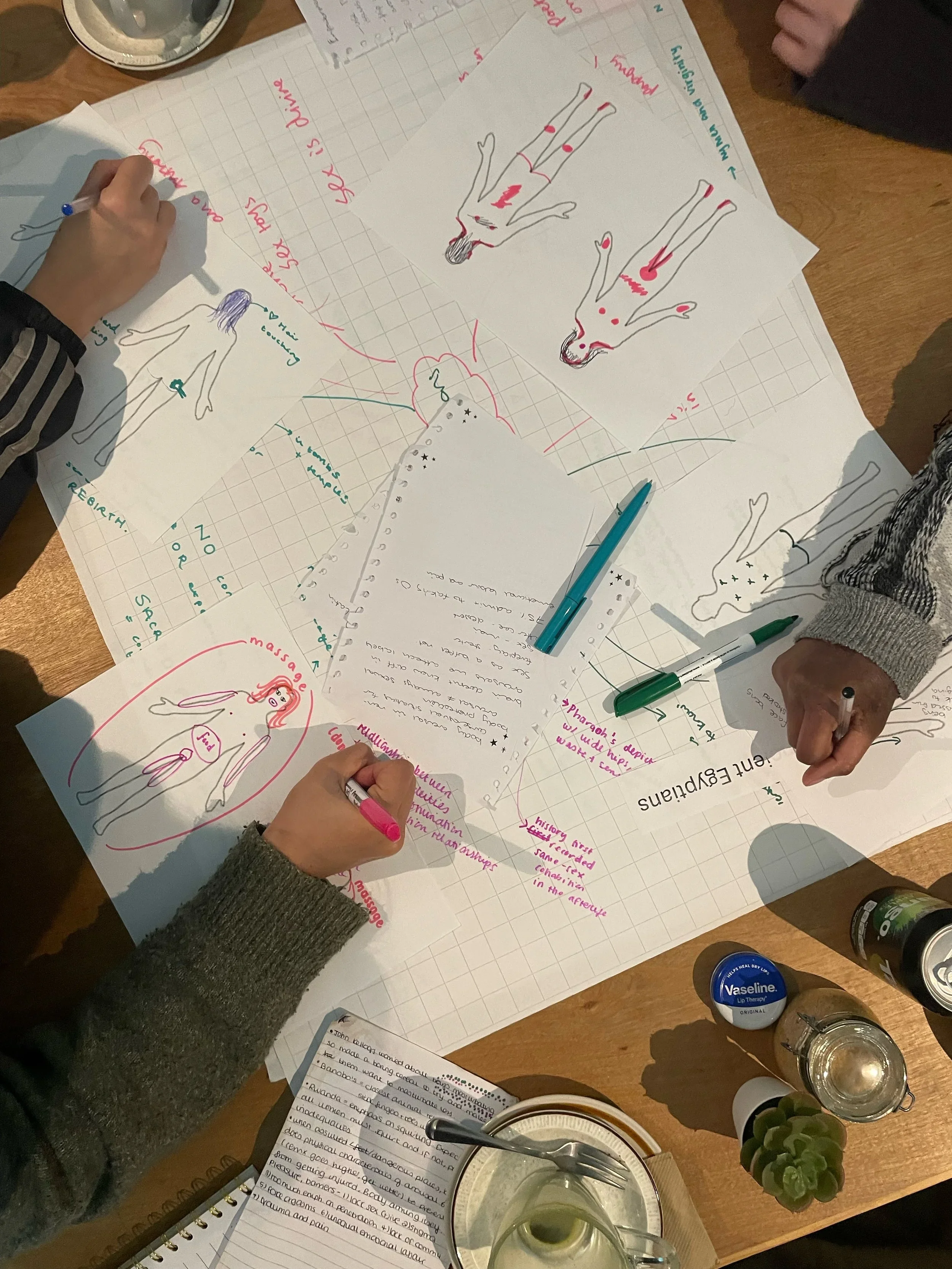
A Sexologist’s Letter to Bonnie Blue and Lily Philips
As women, feminists, and human beings, we owe it to one another to reflect deeply on the impact our actions and online presence have on society.
If you truly believed in creating a sex-positive porn industry and society as you say you do, I believe that you would be concerned regarding the messages you share.
I understand that controversy pays the bills and clickbate is key for creators
Whether you acknowledge it or not, you are educators to your audience, particularly to young, impressionable viewers. Your choices shape not only their understanding of sex but also the societal norms they perpetuate.
As a sex educator, I see the fallout from this misinformation daily.
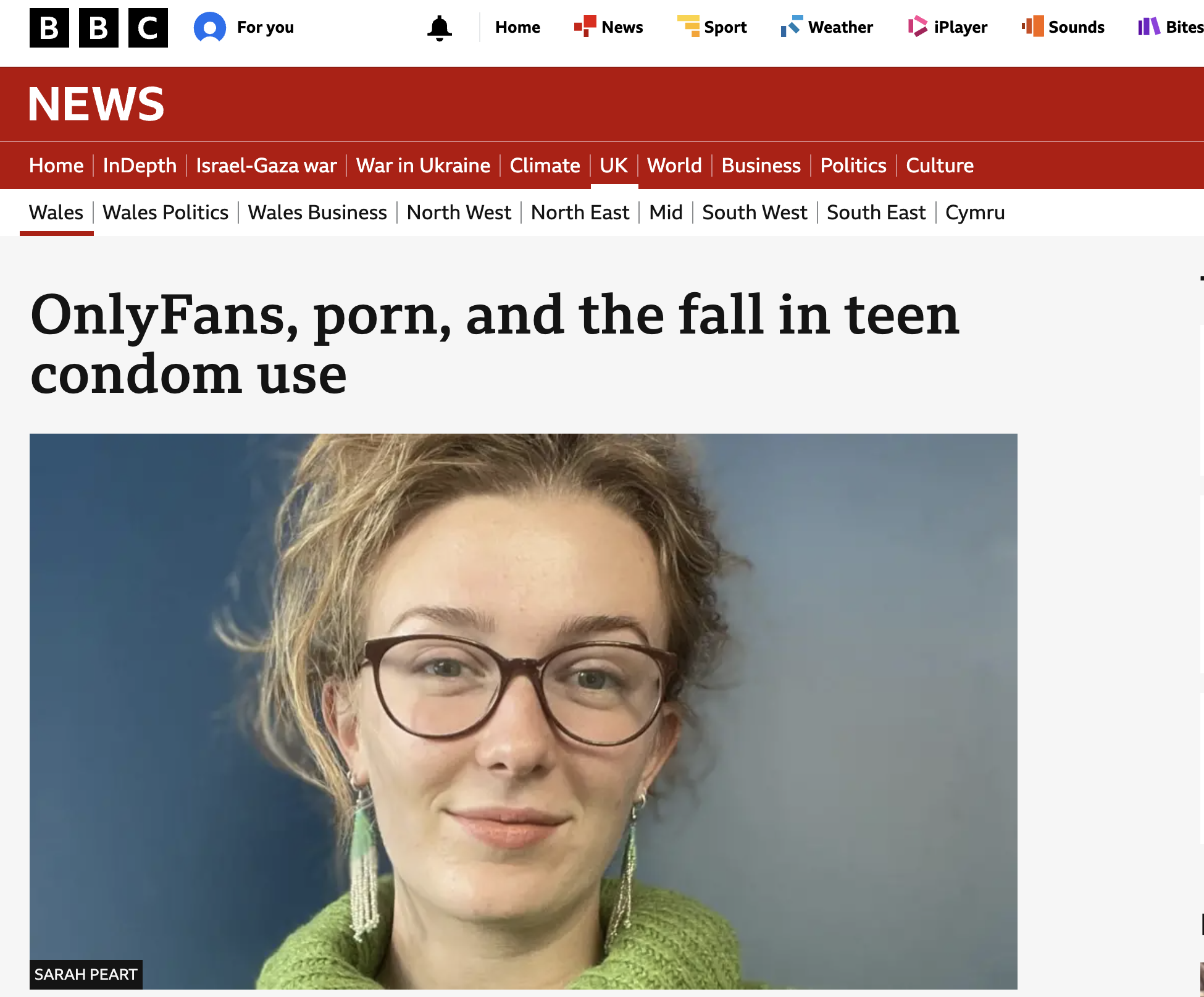
Featured: OnlyFans, porn, and the fall in teen condom use
BBC article
Could the influence of pornography, OnlyFans and so-called "natural family planning" techniques explain the drop in teenagers' use of condoms?
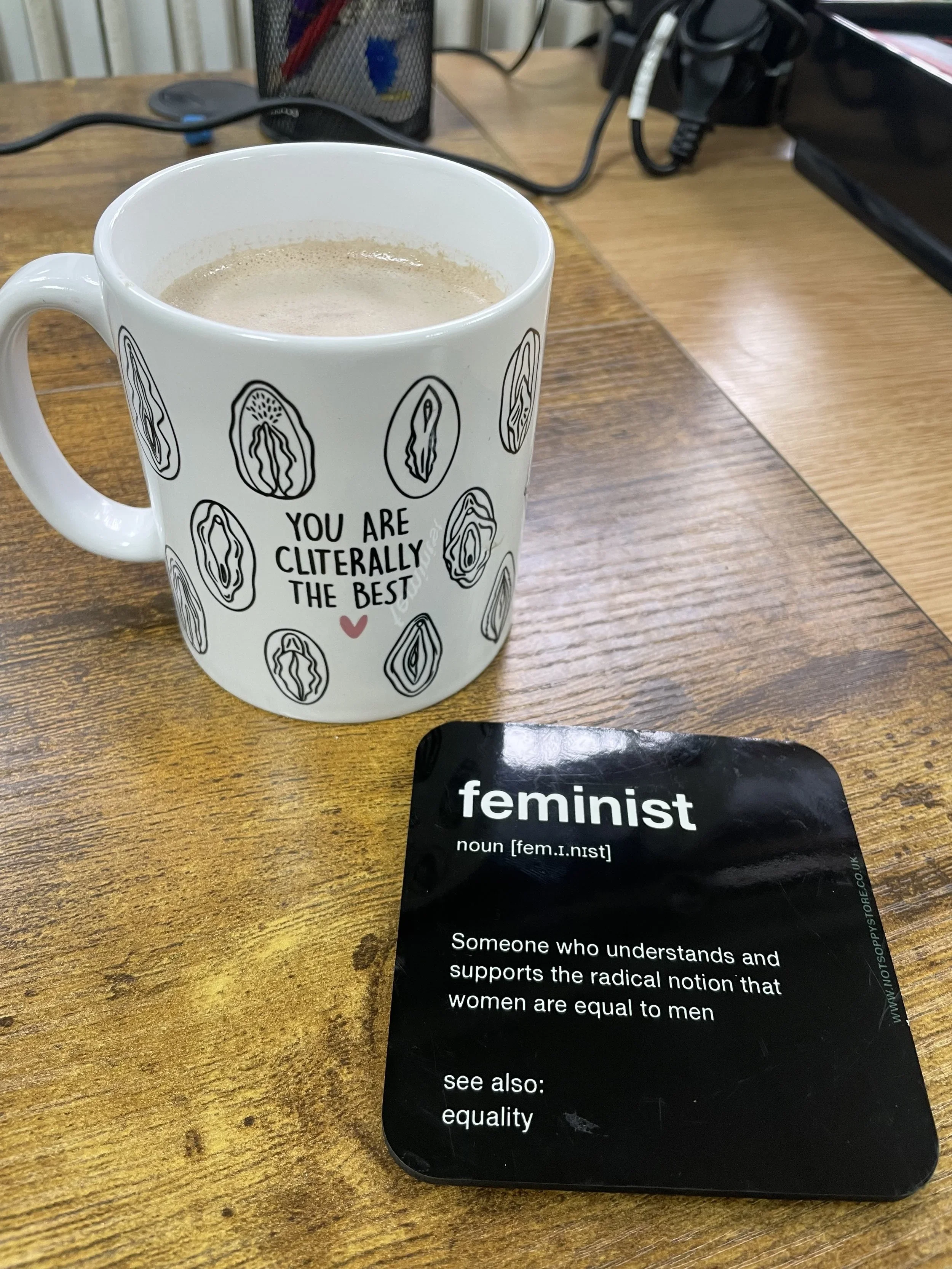
How can we have more 'Feminist Sex'?
Feminist movements have reshaped our world, yet in our sex lives, patriarchal conditioning still holds strong. Instead of enjoying our desires freely, we often worry about body image and meeting others' expectations. Feminist sex is about breaking these pressures, finding joy in our bodies, and experiencing sex as an expression of our true desires—not those imposed on us